Sponsors have had no input into the content of the agenda or the choice/briefing of any speakers (other than clearly marked sponsored symposia sessions). In return for their sponsorship, sponsors have received exhibition space, sponsored symposia and other marketing opportunities. The full list of sponsors can be found here.


Sessions will take place live during the 2 day event. All content will be published on demand shortly after the live broadcast.
8:30am BST - Registration

9:30am GMT

Presentation time
9:30am – 9:40am

Opening remarks and welcome

An opening address by the RCP’s president and academic vice president.

9:40am GMT

Presentation time
9:40am – 10:15am

Goulstonian lecture: The fourth technological revolution – bringing artificial intelligence into medical research through UK clinical leadership

Medicine, doctors and patients stand on the precipice of immense opportunity and profound risk. Artificial intelligence can already synthesise medical knowledge in seconds, analyse clinical outcomes at population scale, deploy agents that work continuously, control robotics and increasingly help discover new medicines. The question is rapidly shifting from what AI can do to how doctors should lead in the age of AI.

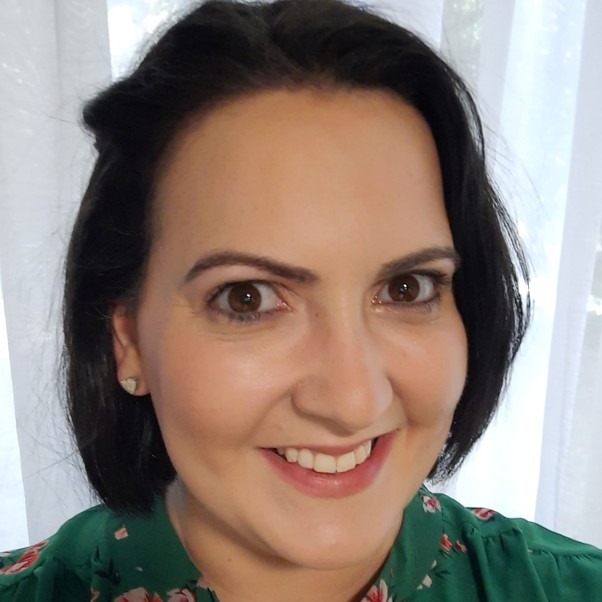
In this Goulstonian lecture, national AI expert for health and medical sciences, Dr Lennard Lee will explain the opportunities and risks this new technological revolution presents for physicians. Drawing on the UK Cancer Vaccine AI Scientist and Supercomputing Programme, he will examine how AI, sovereign supercomputing and autonomous AI Scientists could transform medical research and drug discovery, and why physician leadership will be essential to ensure these technologies deliver meaningful benefits for patients.

10:15am GMT

Presentation time
10:15am – 11:00am

In conversation with Dame Elizabeth Anionwu

In this inspiring conversation, Dame Elizabeth Anionwu DBE reflects on her pioneering career as the UK’s first sickle cell and thalassaemia nurse specialist and her lifelong commitment to advancing health equity. She will also share the personal and professional experiences that shaped her life, leadership, and ultimately inspired her memoir, Dreams From My Mother.
11:00am BST - Comfort break

11:30am GMT

Presentation time
11:30am – 1:00pm

Reading between the lines: practical approaches to common cardiac findings

Cardiac abnormalities are commonly identified through routine investigations, presenting clinicians with important decisions about further assessment, management and referral.

Developed in collaboration with the British Cardiovascular Society, this session will provide practical guidance on interpreting common cardiac findings in clinical practice. Topics include the management of coronary artery calcification identified on CT chest imaging, investigation of left ventricular hypertrophy and suspected cardiac amyloidosis on echocardiography, and assessment of arrhythmias detected through 24-hour ambulatory ECG monitoring.
Presentation time
11:30am – 1:00pm

Diabetes and endocrinology: emerging challenges in clinical practice

The prevalence of diabetes and endocrine disorders continues to rise, with clinicians increasingly encountering complex presentations both in acute settings and routine practice. At the same time, earlier onset disease, advances in diagnostic testing, and increased incidental detection of endocrine abnormalities are creating new challenges for physicians across specialties.

Developed in collaboration with the Association of British Clinical Diabetologists and the Society for Endocrinology, this session will explore some of the key issues facing clinicians today. Topics include the growing challenge of young-onset type 2 diabetes, practical approaches to managing acute hyperglycaemic presentations, and the assessment and clinical significance of mild autonomous cortisol secretion and adrenal nodules.
Presentation time
11:30pm – 1:00pm

Sexual health and HIV: from diagnosis to elimination

Sexual health services are facing evolving challenges, including changing patterns of sexually transmitted infections, persistent health inequalities, and the ongoing ambition to eliminate new HIV transmissions. As care becomes increasingly integrated and patient-centred, clinicians must navigate both complex clinical presentations and the wider social factors that influence access to services.

Developed in collaboration with the British Association for Sexual Health and HIV, this session will examine current developments in sexual health and HIV medicine. Delegates will hear the latest updates on syphilis, including key considerations relevant to acute and general medical specialties. The panel will also explore ethical and social barriers to accessing care through a case-based discussion, and review progress towards achieving HIV transmission elimination by 2030, considering the important role that physicians across healthcare settings play in earlier diagnosis and improving patient outcomes.
1:00pm BST - Lunch service

1:45pm GMT

Presentation time
1:45pm – 2:15pm

Sponsored symposium

Join industry experts for a sponsored symposium exploring topics relevant to current clinical practice and healthcare delivery.

This session is sponsored and organised by an external organisation and is intended for UK healthcare professionals only.

This session will not be CPD accredited.
2:15pm BST - Lunch break

2:45pm GMT

Presentation time
2:45pm – 4:15pm

Acute medicine, beyond the stereotype

Acute medicine sits at the heart of the NHS, caring for patients with increasingly diverse medical, social and ethical needs. As services face growing demand, clinicians must make rapid decisions while recognising the impact of bias, identifying vulnerable patient groups, and navigating complex conversations about treatment escalation and capacity.

Developed in collaboration with the Society for Acute Medicine, this session will explore some challenges encountered on the acute medical unit. Topics include unconscious bias in recurrent SDEC presentations among younger patients, important diagnoses and considerations not to miss in patients who are pregnant, breastfeeding or using contraception, and the ethical issues surrounding decisions about escalation of care beyond the ward.
Presentation time
2:45pm – 4:15pm

Recognising neurological red flags and making confident referral decisions

Neurological symptoms are among the most common reasons for referral to specialist services, yet increasing demand and workforce pressures mean that clinicians across specialties are often responsible for the initial assessment and management of patients. Distinguishing which patients require urgent neurological input, recognising functional disorders, and identifying time-sensitive presentations are essential skills in modern clinical practice.

Developed in collaboration with the Association of British Neurologists, this session will provide practical guidance on managing common neurological presentations. Speakers will explore when referral to neurology is appropriate, how to diagnose and manage functional neurological disorder, and the assessment and treatment of acute peripheral nerve conditions.
Presentation time
2:45pm – 4:15pm

Medicine in pregnancy: managing risk through multidisciplinary care

The care of pregnant women with medical conditions often spans multiple specialties, requiring close collaboration between physicians, obstetricians, midwives and allied health professionals. Effective multidisciplinary working is essential to managing risk, supporting informed decision-making and improving outcomes for mothers and babies.

Developed in collaboration with the Joint Committee for Obstetric Medicine, this session will explore key challenges in the management of medical conditions during pregnancy. Delegates will hear updates on epilepsy in pregnancy, venous thromboembolism and early pregnancy medical issues, and the role of multidisciplinary team working and birth planning in delivering safe, coordinated and patient-centred care.
4:15pm BST - Comfort break

4:45pm GMT

Presentation time
4:45pm – 6:15pm

Immunology and allergy: evolving pathways, emerging advances

The prevalence of allergic disease has increased significantly in recent decades, while advances in immunology are transforming our understanding of immune-mediated conditions. At the same time, growing demand for services continues to highlight the need for improved pathways, earlier diagnosis, and more effective use of specialist investigations.

Developed in collaboration with the British Society for Allergy and Clinical Immunology and the Joint Committee on Immunology and Allergy, this session will explore key developments shaping the field. Topics include the rationale and ambitions of the National Allergy Strategy, emerging advances in the diagnosis and management of autoinflammatory diseases, and practical guidance on making the best use of the immunology laboratory when investigating immune deficiency, autoimmunity and allergy.
Presentation time
4:45pm – 6:15pm

Nephrology

Developed in collaboration with the UK Kidney Association, this session will provide an update on the latest developments in kidney health and the management of kidney disease.

The session will also include the inaugural Dr Krystyna Czapla lecture, focusing on the evolving field of nephro-oncology.
Presentation time
4:45pm – 6:15pm

Beyond the joints: recognising systemic rheumatic disease

Rheumatological conditions affect millions of people in the UK and are a leading cause of disability, yet their impact often extends well beyond the musculoskeletal system. Physicians increasingly need to recognise the wider manifestations of rheumatic disease, from potentially life-threatening lung involvement to unexplained systemic symptoms, while also embracing new technologies that are transforming diagnosis, risk prediction and long-term management.

Developed in collaboration with the British Society for Rheumatology, this session will address a range of important clinical challenges. Speakers will explore the recognition and management of rheumatological interstitial lung disease, the role of AI in fracture prevention and bone health, approaches to investigating pyrexia of unknown origin, and the diagnosis and management of Raynaud's disease.

6:15pm GMT

Presentation time
6:15pm – 7:30pm

Networking reception

In‑person delegates are invited to an evening networking reception on the first day of the conference. Enjoy food and drinks while connecting with colleagues and the wider RCP community.
7:30pm BST - End of day 1
Sessions will take place live during the 2 day event. All content will be published on demand shortly after the live broadcast. 
8:10am BST - Registration

8:15am GMT

Presentation time
8:15am – 9:00am

Breakfast briefing (in-person only)

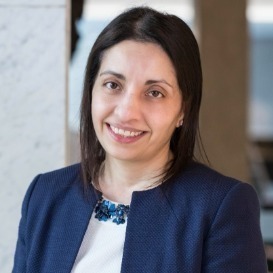
This session will be led by Professor Mumtaz Patel PRCP. Further details on the session topic and title will be announced soon.

9:15am GMT

Presentation time
9:15am – 10:45am

Acute care of the older patient: what not to miss

Older adults frequently present with complex medical needs, frailty and multiple long-term conditions, often with atypical symptoms that can make diagnosis and management challenging. As the population ages and demand on acute services continues to grow, clinicians across all specialties must be equipped to recognise common geriatric syndromes, identify time-critical conditions, and deliver effective, person-centred care for this increasingly complex patient group.

Developed in collaboration with the British Geriatrics Society, this session will explore key challenges encountered when caring for older adults in acute and ambulatory settings. Topics include the assessment and management of postoperative delirium, recognising and responding to left shift in the older patient, practical approaches to stroke diagnosis and management for the non-specialist, and important considerations when managing patients with Parkinson's disease on the acute take.
Presentation time
9:15am – 10:45am

Acute considerations in oncology in the context of the widening therapeutic landscape

The rapid expansion of immunotherapies, targeted treatments and other systemic anti-cancer therapies has transformed oncology practice but has also introduced a growing range of acute complications that may present outside specialist cancer services. Acute physicians are increasingly required to recognise treatment-related toxicities, distinguish them from common medical presentations, and make timely decisions about investigation, escalation and specialist referral.

Developed in collaboration with the UK Society of Medical Oncology, this session will provide practical guidance on managing acute presentations in patients receiving modern cancer therapies. Topics include pneumonitis associated with oncology treatments, sepsis mimics presenting to the acute medical unit, novel endocrine complications of cancer therapies, and the recognition and management of hyperinflammatory and cardiac complications in patients requiring critical care support.
Presentation time
9:15am – 10:45am

Skin signs that matter: what every physician should know

Skin manifestations are often among the earliest visible signs of serious disease, providing important diagnostic clues for physicians across specialties. Recognising significant dermatological findings can help clinicians identify adverse drug reactions, underlying malignancy, and medical emergencies before complications develop.

Developed in collaboration with the British Association of Dermatologists, this session will explore common and high-impact dermatological presentations encountered in clinical practice. Topics include recognising and managing cutaneous drug reactions, understanding the relationship between skin disease and haematological disorders, identifying dermatological emergencies, and the key dermatology knowledge every physician should have.
10:45am BST - Comfort break

11:15am GMT

Presentation time
11:15am – 12:25pm

Prize presentations and Milroy lecture

The future of healthcare will be shaped not only by scientific advances, but also by the decisions we make about education, workforce development and disease prevention. This session showcases two award-winning lectures that examine how physicians can influence the future of medicine at both individual and population level.

The winner of the Teale Essay prize will examine how general internal medicine training should evolve over the next decade to develop NHS physicians who can confidently work across both generalist and specialist practice. The winner of the Milroy lectureship will explore the relationship between knowledge, policy and public health through a thought-provoking lecture on tobacco control and its continuing relevance to improving health outcomes.
Presentation time
11:15am – 12:25pm

Prize presentations and Croonian lecture

Many of the most important advances in medicine arise from a combination of clinical observation and scientific investigation. Whether recognising unexpected disease presentations or uncovering new biological mechanisms, these insights help shape the future of research and patient care.

This session brings together two fascinating perspectives on medical discovery. The Medicine 2026 abstract competition winner will present a rare case of bacterial myocarditis mimicking acute coronary syndrome in the setting of necrotising fasciitis, highlighting important lessons for clinicians. The Croonian lecture will examine how Ivan Pavlov's pioneering work laid foundations for modern physiological research, culminating in contemporary understanding of the gut microbiome and its role in human health.
12:25pm BST - Lunch service

1:00pm GMT

Presentation time
1:00pm – 1:30pm

Sponsored symposium

Join industry experts for a sponsored symposium exploring topics relevant to current clinical practice and healthcare delivery.

This session is sponsored and organised by an external organisation and is intended for UK healthcare professionals only.

This session will not be CPD accredited.
1:30pm BST - Lunch break

2:00pm GMT

Presentation time
2:00pm – 2:50pm

From surgery to screen: making lifestyle medicine and prevention work for real patients

In this session, Dr Zoe Williams, physician, media medic, author and health educator, will share insights into lifestyle medicine, physical activity and health communication.

Her talk will focus on how lifestyle medicine and prevention can be effectively implemented to improve patient outcomes.
2:50pm BST - Movement break

3:00pm GMT

Presentation time
3:00pm – 4:30pm

Gut decisions: managing common abdominal presentations

Abdominal symptoms account for a substantial proportion of acute admissions and outpatient referrals, making gastroenterological decision-making a core skill for general physicians. Effective assessment is essential to distinguish self-limiting conditions from presentations requiring urgent intervention or specialist input.

Developed in collaboration with the British Society of Gastroenterology, this session will explore the investigation and management of diarrhoea and abdominal pain, as well as best practice in the assessment and treatment of patients who have indigested foreign bodies.
Presentation time
3:00pm – 4:30pm

Navigating pneumonia

Pneumonia remains one of the leading causes of hospital admission, morbidity and mortality worldwide, placing a substantial burden on healthcare services. As antimicrobial resistance, changing patient demographics and increasing healthcare complexity continue to evolve, clinicians must stay up to date with the latest evidence and service developments to optimise patient outcomes.

Developed in collaboration with the British Thoracic Society, this session will explore current approaches to the prevention, diagnosis and management of pneumonia across different healthcare settings. Topics include the importance of community-acquired pneumonia and opportunities to improve care through modern service frameworks, the latest NICE guidance on hospital-acquired pneumonia, and the management of ventilator-associated pneumonia within the context of the sepsis modern service framework.
Presentation time
3:00pm – 4:30pm

The Medical Education and Training Review - what should be the key reforms?

The Medical Education and Training Review is examining whether the current medical training system is equipped to meet the changing needs of patients, the workforce and the NHS. With increasing service pressures, evolving career expectations and advances in healthcare delivery, the review presents an opportunity to consider how medical education and training can better support learner wellbeing, flexibility, progression and workforce sustainability.

Developed in collaboration with the RCP Resident Doctors Committee, this session will explore the key findings and emerging recommendations of the review. The panel will discuss the reforms needed to create a more effective, inclusive and future-focused training system, and consider how changes to education and training can help attract, support and retain the next generation of physicians.
4:30pm BST - Movement break
4:35pm BST - Closing remarks and abstract results
4:45pm BST - End of conference